

Find Your Edge In The Hyperliquid Ecosystem
Independent Research
Data-Driven Algorithmic Trading
What SCR Does
Beyond Hype and Hope:
Systematic Research Delivers
In a space defined by anonymous teams, VC-backed narratives, and governance theatre, we apply institutional analytical rigour to find what actually works. Independent research. Empirical data. No affiliate bias. Our focus: the Hyperliquid ecosystem and the systematic trading strategies built on it.
Featured Research
Hyperliquid: The Glaring Exception
In a crypto landscape of anonymous founders and VC-backed promises, Hyperliquid is the anomaly — 11 people, zero VC funding, $4T volume, and a founder who took a $240M personal loss to protect users. That is not a marketing story. That is a track record. SCR examines why organisational discipline and integrity are the real alpha signal.
HYPE’s Q2 2026 Reality Check: New Highs, Real-World Assets, and the Risk the Buyback Story Leaves Out
Cumulative buybacks past $2B, a $645M unlock absorbed in a day, and RWA open interest tripling to $3.6B — but buyback spending fell 40% at the exact moment HYPE hit new highs. The Q2 2026 update: what’s actually structural, and what’s still unproven.
Read the Feature Article →Hyperliquid Leadership & Integrity: Is Jeff Yan’s Founder-Driven Model a Strength or an Unexamined Risk?
The Jeff Yan Paradox — how an 11-person team built the world’s highest-volume DEX, why the JELLY incident revealed more about integrity than any whitepaper could, and what Brooks Law tells us about Hyperliquid’s deliberate constraints.
Read the Feature Article →Hyperliquid L1 Deep Dive: HyperBFT, HIP-3, and the Architecture Behind $4T Volume
Sub-second finality. On-chain order books. Real World Asset tokenisation via HIP-3. The technical specifications that explain why institutional-grade execution is now possible on a decentralised exchange.
Read the Technical Report →Also in Hyperliquid research: Why a Proven Crypto Trading System is Rebuilding on Hyperliquid (A1) and HYPE and the Institutional Influx (A9) — the migration story, and the original institutional-flow case that A10 updates.
Systematic Strategy
HyperTrend: The Math Behind the Returns
63% CAGR. 1.81 Sharpe ratio. Ridge multivariable optimisation across 50–100 signals. This is what institutional-grade systematic trading looks like when it runs on Hyperliquid infrastructure — and why retail traders consistently underperform the same markets.
-
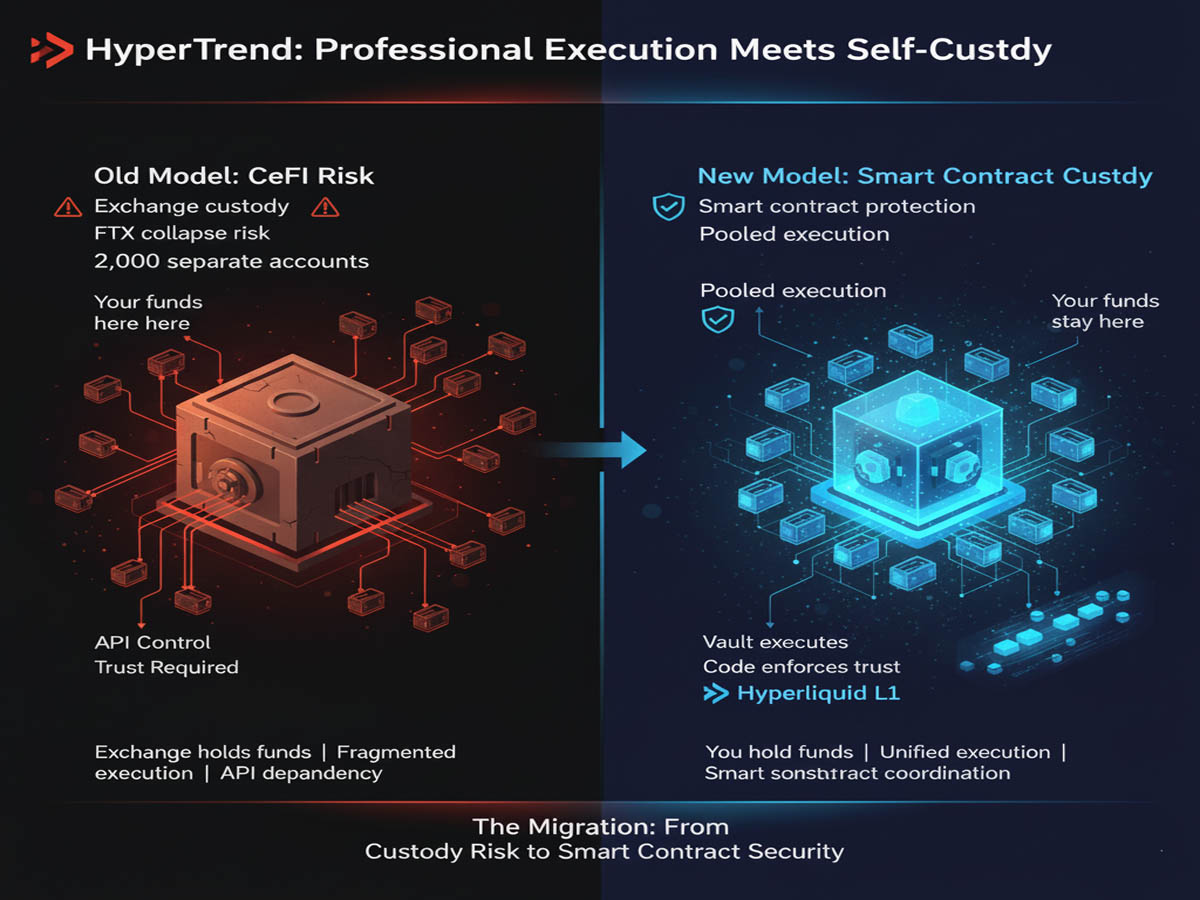
Why a Proven Crypto Trading System is Rebuilding as a Hyperliquid Vault Trading System
Why a Proven Crypto Trading System is Rebuilding as a Hyperliquid Vault Trading System Something Big Is Coming In A Little Known Hyperliquid Vault…
-
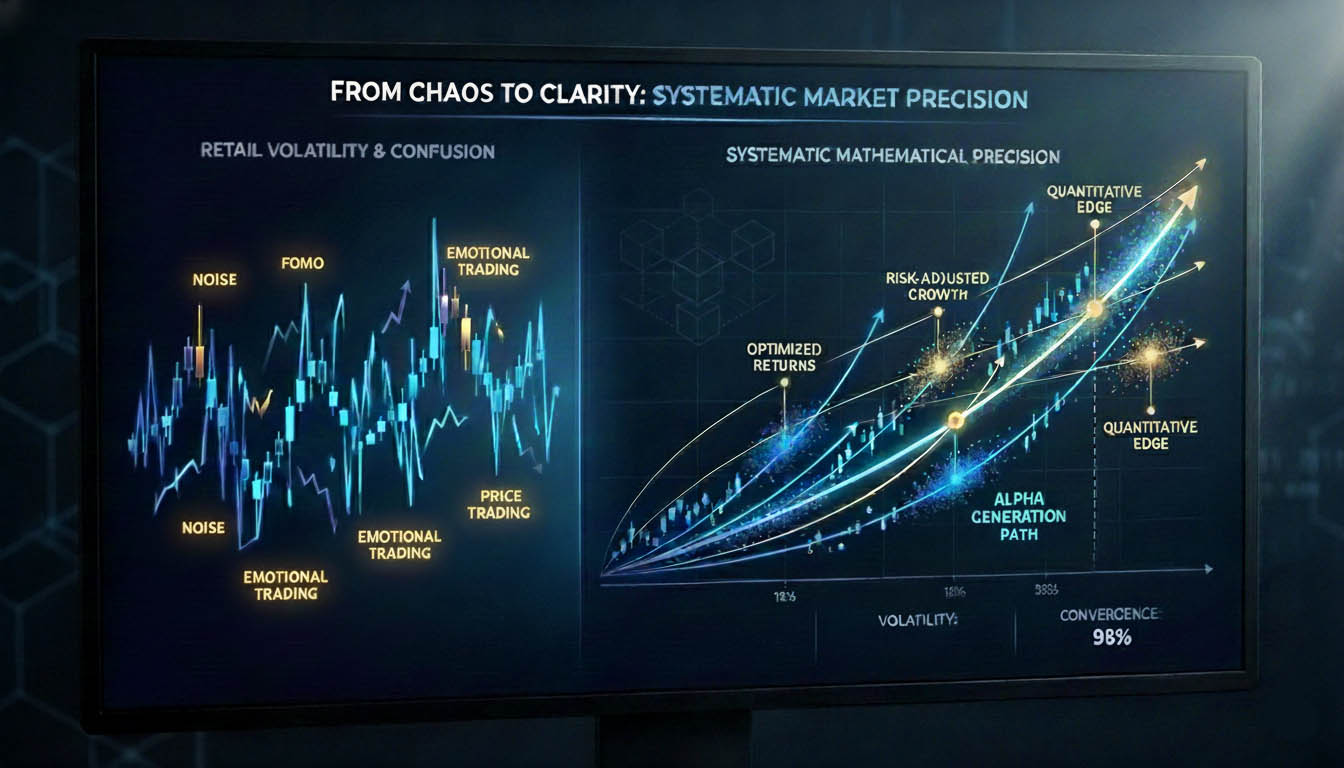
Why Crypto Trading With Hedge Funds Returns 40%+ While Retail Traders Struggle: The Math They Don’t Want You to Know
Let’s Dive Into Why Hedge Funds Perform So Well Crypto trading with hedge funds returns averaged 40%+ annual returns, while retail traders and possibly…
-

Inside the HyperTrend Finrev Team: The Hedge Fund Refugees and Ex-Convicts Building HyperTrend
You Can Join A Professional Crypto Trading System You have six figures in crypto. You’ve outgrown the retail trading bots with their cutesy interfaces…
-
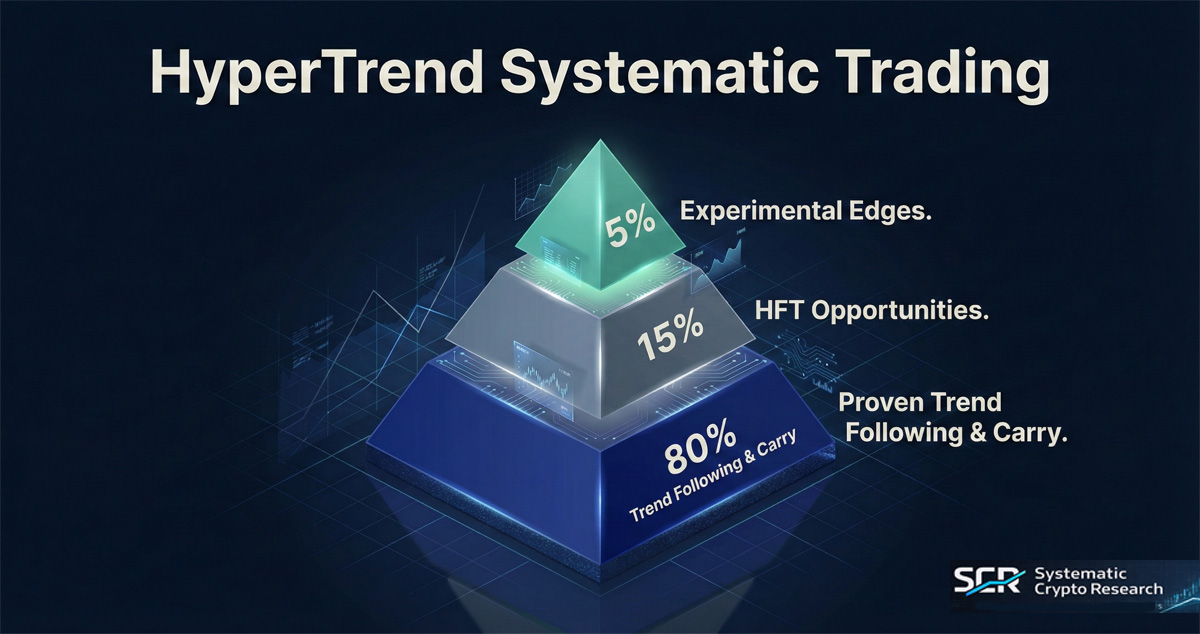
The Math Behind the Moonshots: Why Professional Research is the Only Way to Survive Automated Crypto Trading
What You Need To Know About the HyperTrend Trading Signals If you’ve spent more than five minutes in the crypto world, you’ve probably seen…
-
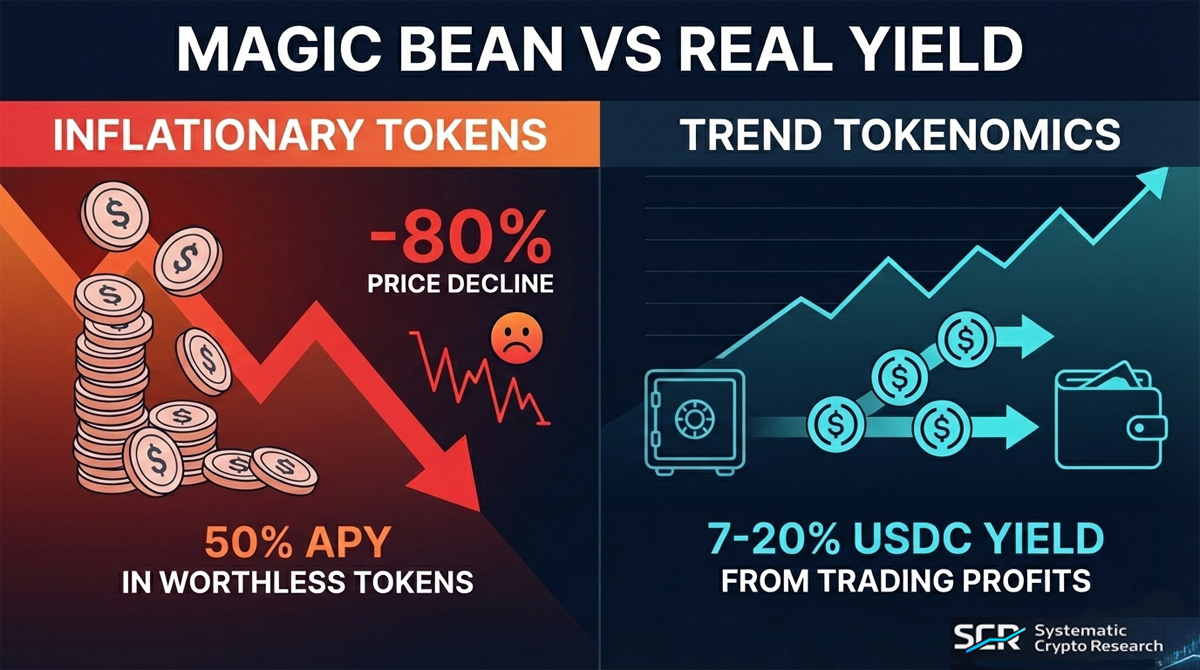
Beyond the “Magic Bean” Trap: Why Trend Coin Tokenomics Could Redefine Passive Income in Crypto
A DeFi Trap You Can Avoid If you’ve explored DeFi yield farming, you’ve probably encountered what Scott Phillips calls “magic beans”—tokens that promise high…
-

The HyperTrend Vault Launch: Your Practical Guide to Institutional-Grade Wealth Building
A Close Look At The HyperTrend Vault Launch I’ve tracked Finrev performance through bull markets, bear markets, and the FTX collapse—the question I hear…
-
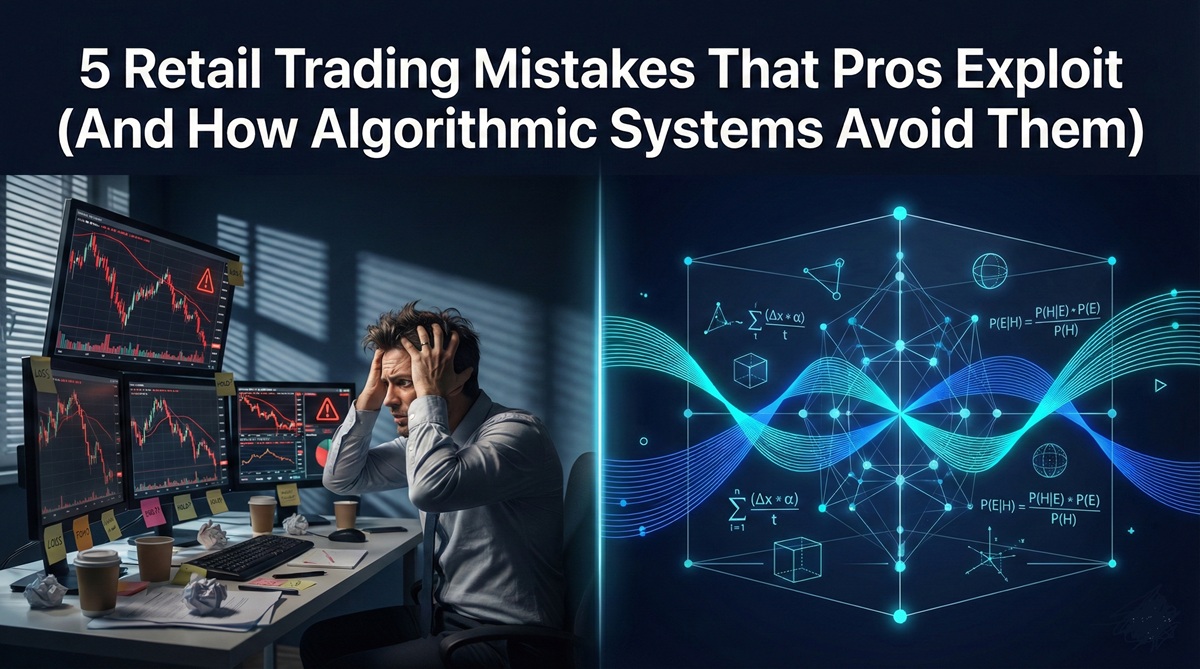
Retail Trading Mistakes That Pros Exploit (And How Algorithmic Systems Avoid Them)
What You Must Learn About Retail Trading Mistakes After three years of systematic research into professional crypto trading systems, I’ve identified a disturbing pattern:…
HyperTrend Vault Update — September 2026
HyperTrend has spent months building out a dedicated Hyperliquid Vault — a self-contained on-chain trading structure, not just an account executing trades on the exchange — and it’s now running company and staff capital through that Vault in beta. The Vault runs the legacy Finrev algorithms with edge modules HyperTrend’s own quant team has built and fully integrated into their platform. That Vault infrastructure is what the public will get access to when it launches, alongside the $Trend Coin airdrop, both on HyperTrend’s roadmap for late 2026.
I’m a personal investor in HyperTrend and have tracked this project for years — the Vault’s smart contracts and trade history will be on-chain and auditable, which is the kind of transparency I look for.
Subscriptions to the legacy API-based HyperTrend system are now paused while they prepare for the public launch of the HyperTrend Vault on the Hyperliquid platform. More details will be coming out over the coming weeks, including the whitepaper on the $Trend Coin tokenomics. Leading up to the public launch, this is where I’ll post what I learn, as I learn it.
Want updates directly? Email me at vince1@systematiccryptoresearch.com — happy to answer questions too.
🎧 Podcast Debate Series
The Counterarguments Our Articles Don’t Fully Explore
Every article has a companion podcast debate and a podcast debate transcript page to read — find the podcast links within each article, or browse the debate transcript series below. Each episode surfaces counterarguments, structural risks, and alternative interpretations, the article’s authoritative voice doesn’t fully examine.
-
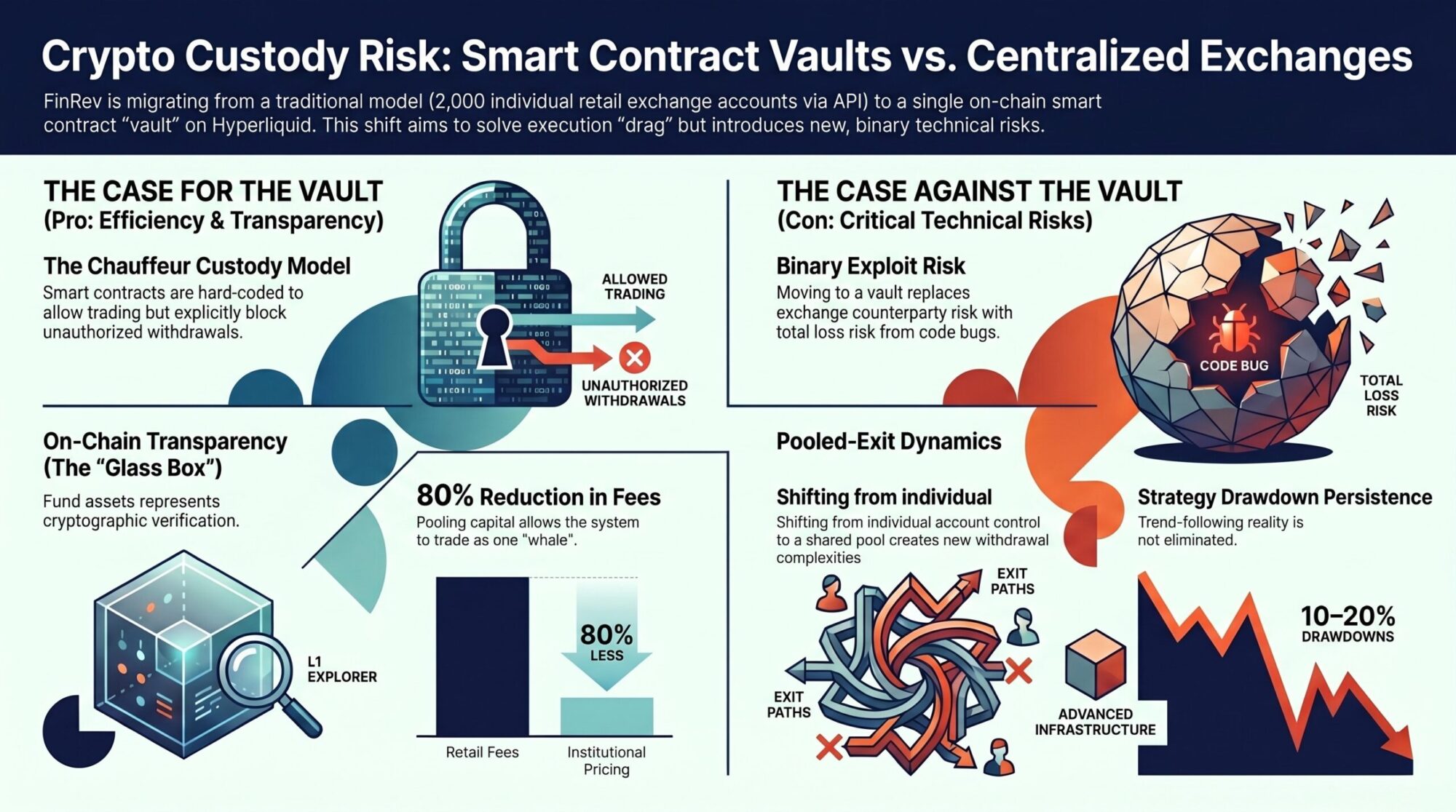
Crypto Custody Risk: Smart Contract vs Centralized Exchange Podcast
Is a Hyperliquid Smart Contract Safer Than a Centralized Exchange? This is the podcast transcript companion to the pillar article on FINREV’s…
-
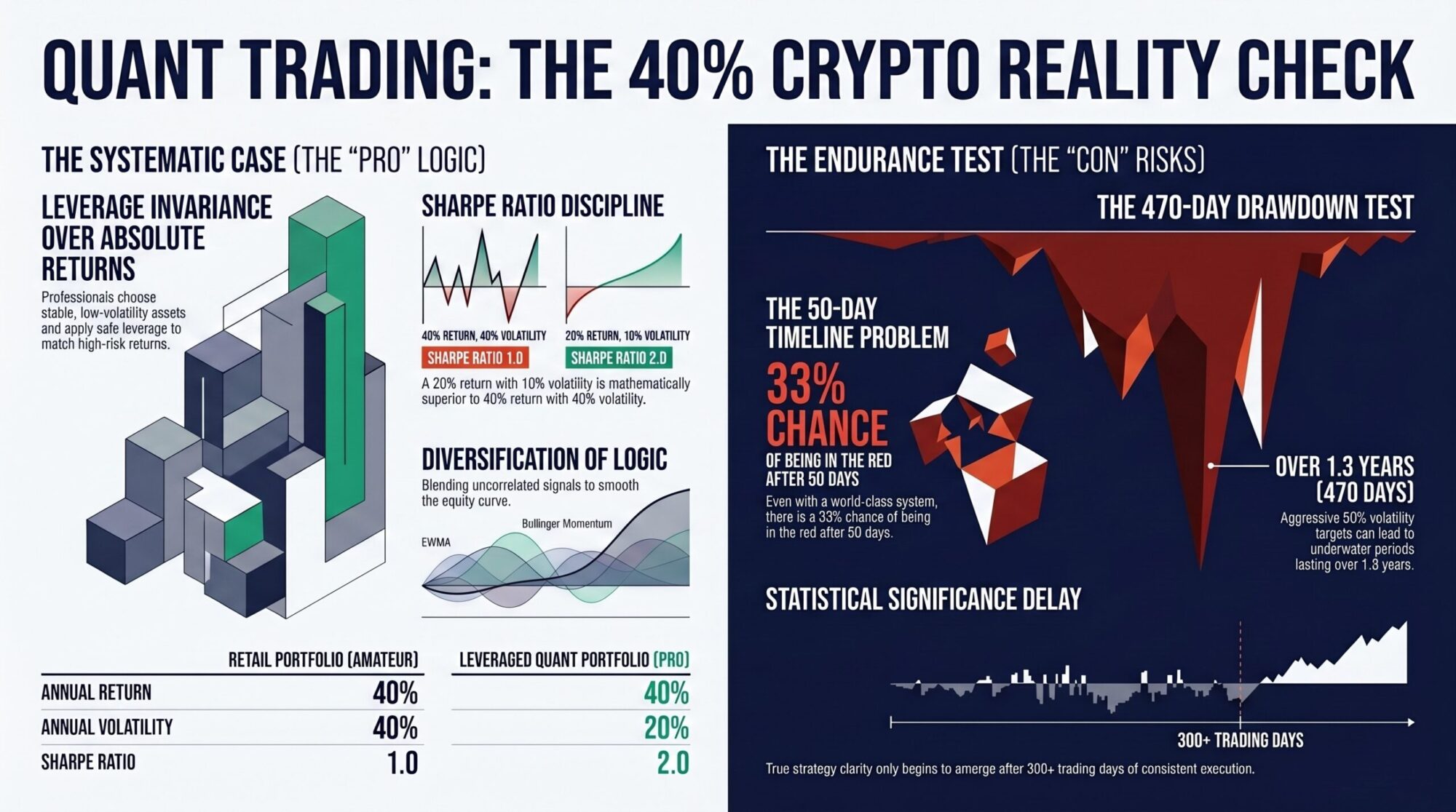
Quant Trading Returns in Crypto: The 40% Claim Examined Podcast
Does the 40% Target Hold Up When the Timeline Problem Is Applied? This podcast debate transcript accompanies the pillar article on how…
-
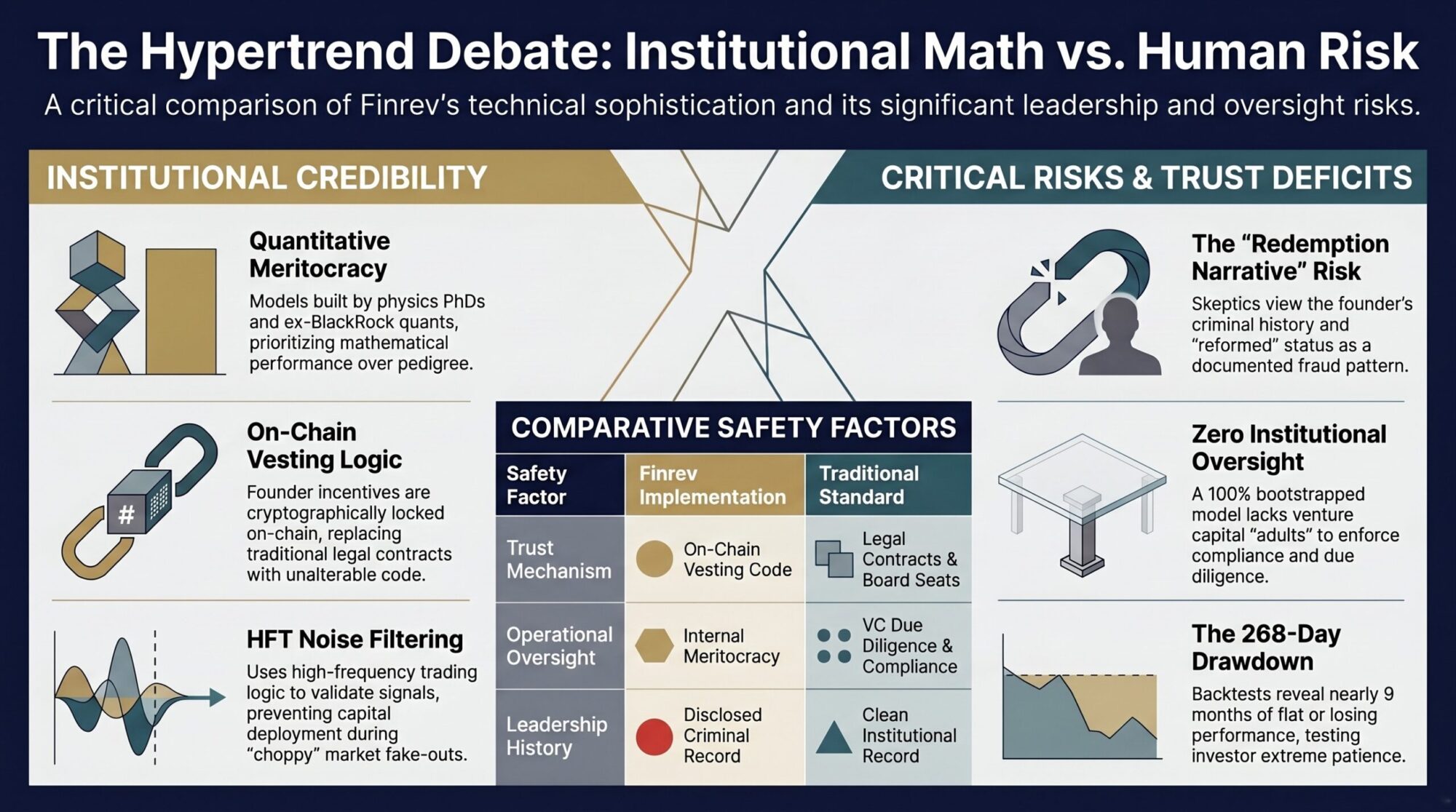
HyperTrend Team Credibility Podcast
Crypto Trading Team Credibility: Can On-Chain Accountability Overcome a Criminal Record and Zero VC Oversight? This is the podcast debate transcript companion…
-
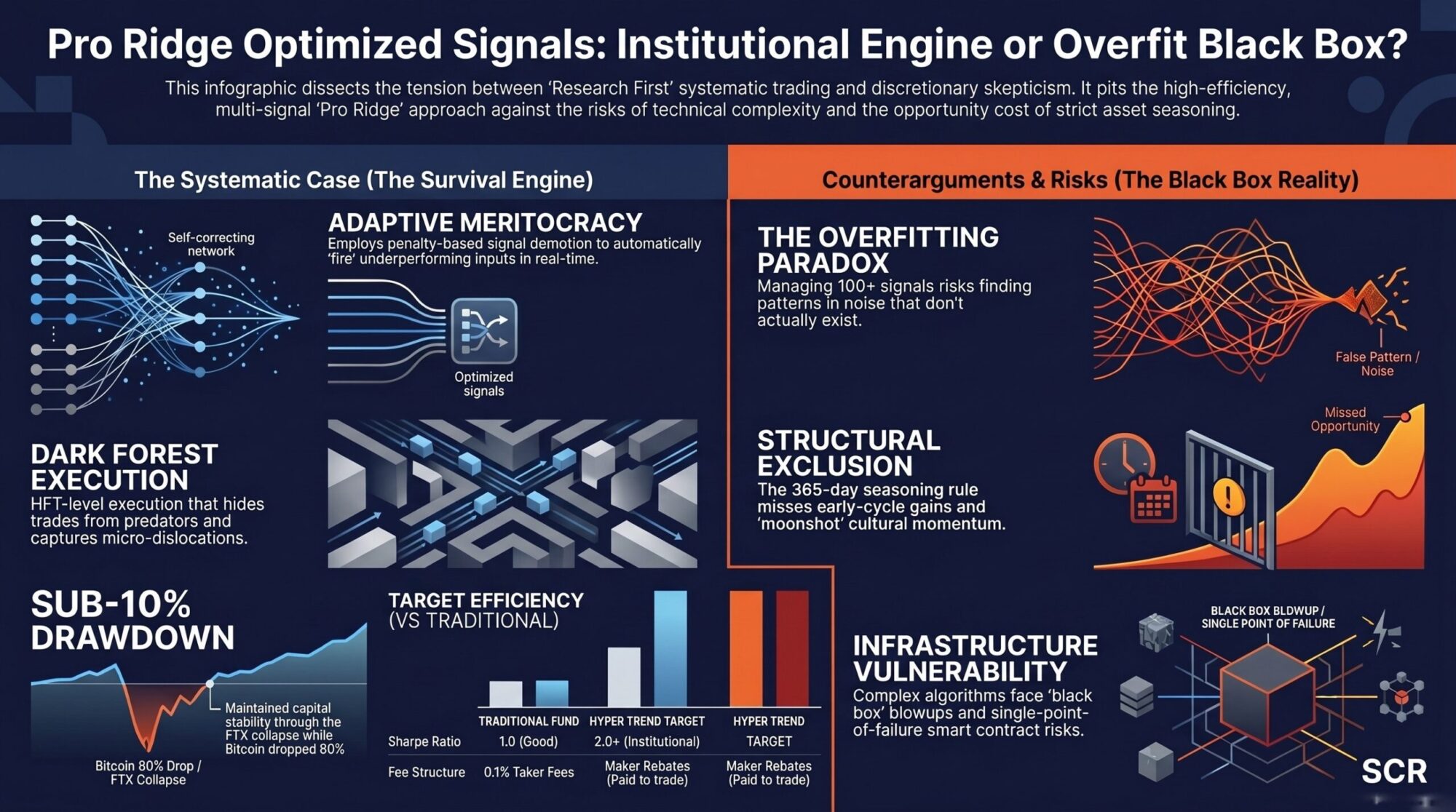
Ridge Optimization Crypto: Does 100 Signals Mean Over-fitting? Podcast
Is Ridge Optimization in Crypto Trading: The Pro Advantage in Signal Generation This podcast debate transcript accompanies the pillar article on Ridge…
-
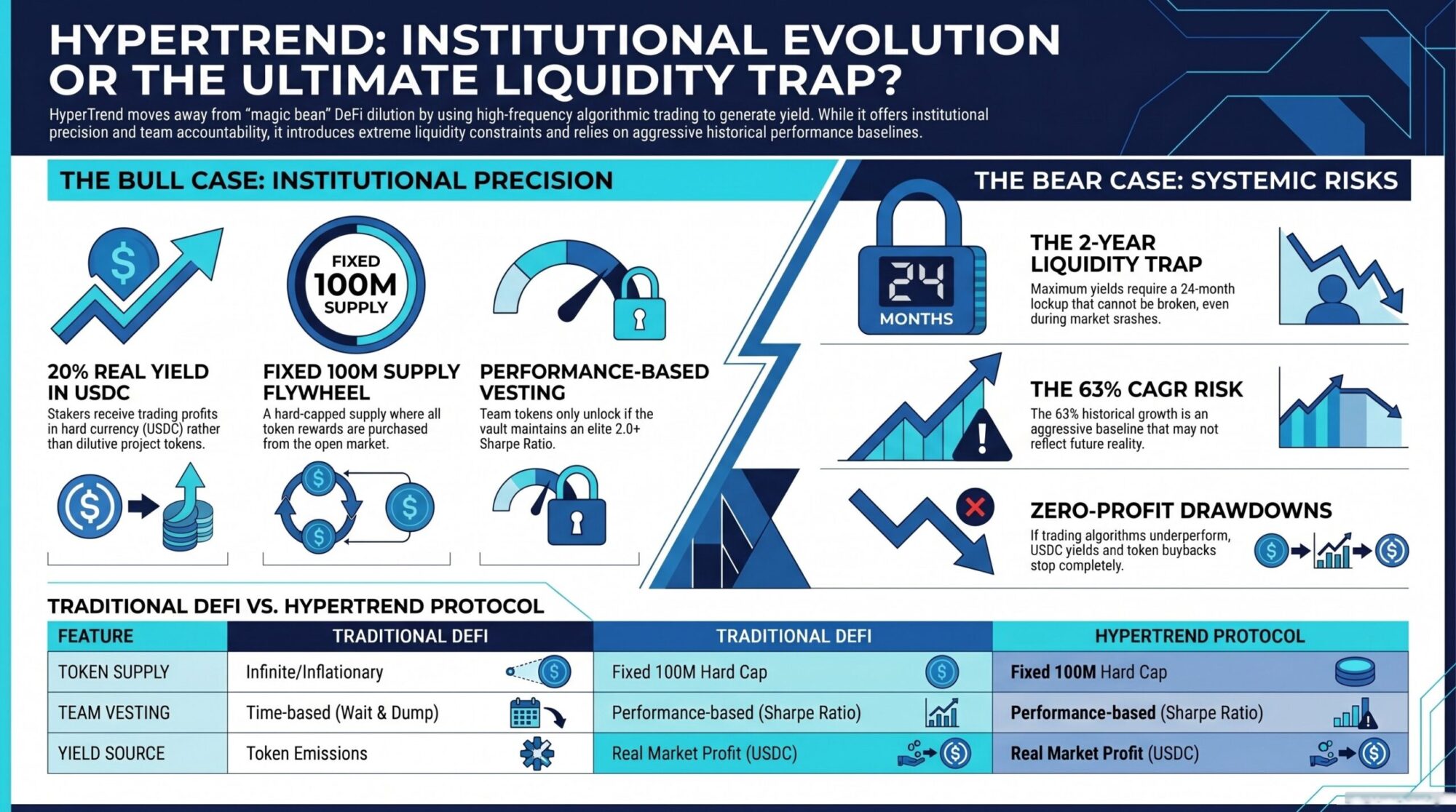
Real Yield Crypto USDC: Is HyperTrend Different From DeFi? Podcast
Three Counterarguments the HyperTrend Token Model Hasn’t Fully Answered This is the podcast debate transcript companion to the pillar article on HyperTrend’s…
-
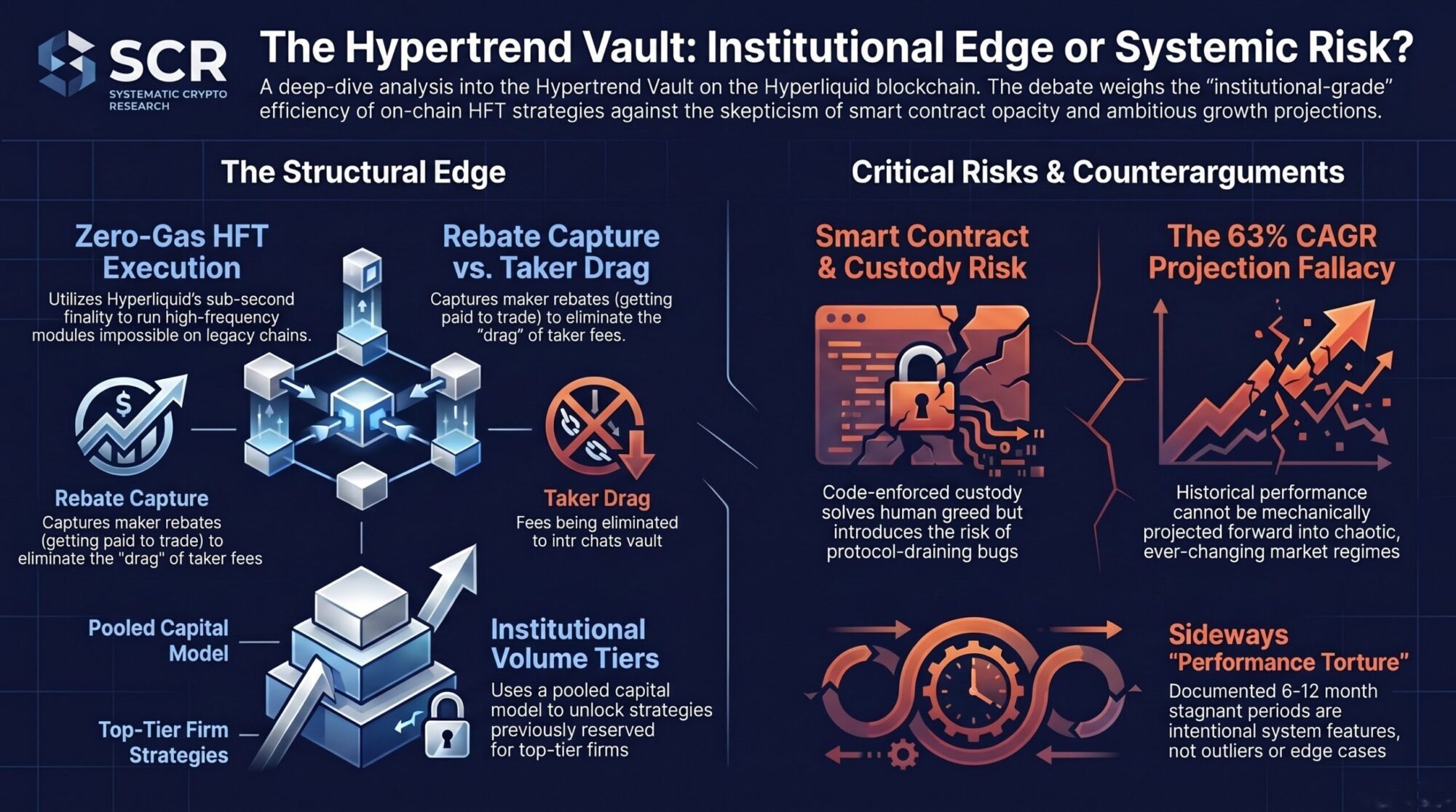
Maker Rebates In Crypto Trading: Does Vault Infrastructure Beat Retail? Podcast
How Vault Infrastructure Creates the Structural Edge Retail Investors Never Access This podcast debate transcript accompanies the pillar article on the HyperTrend…
-
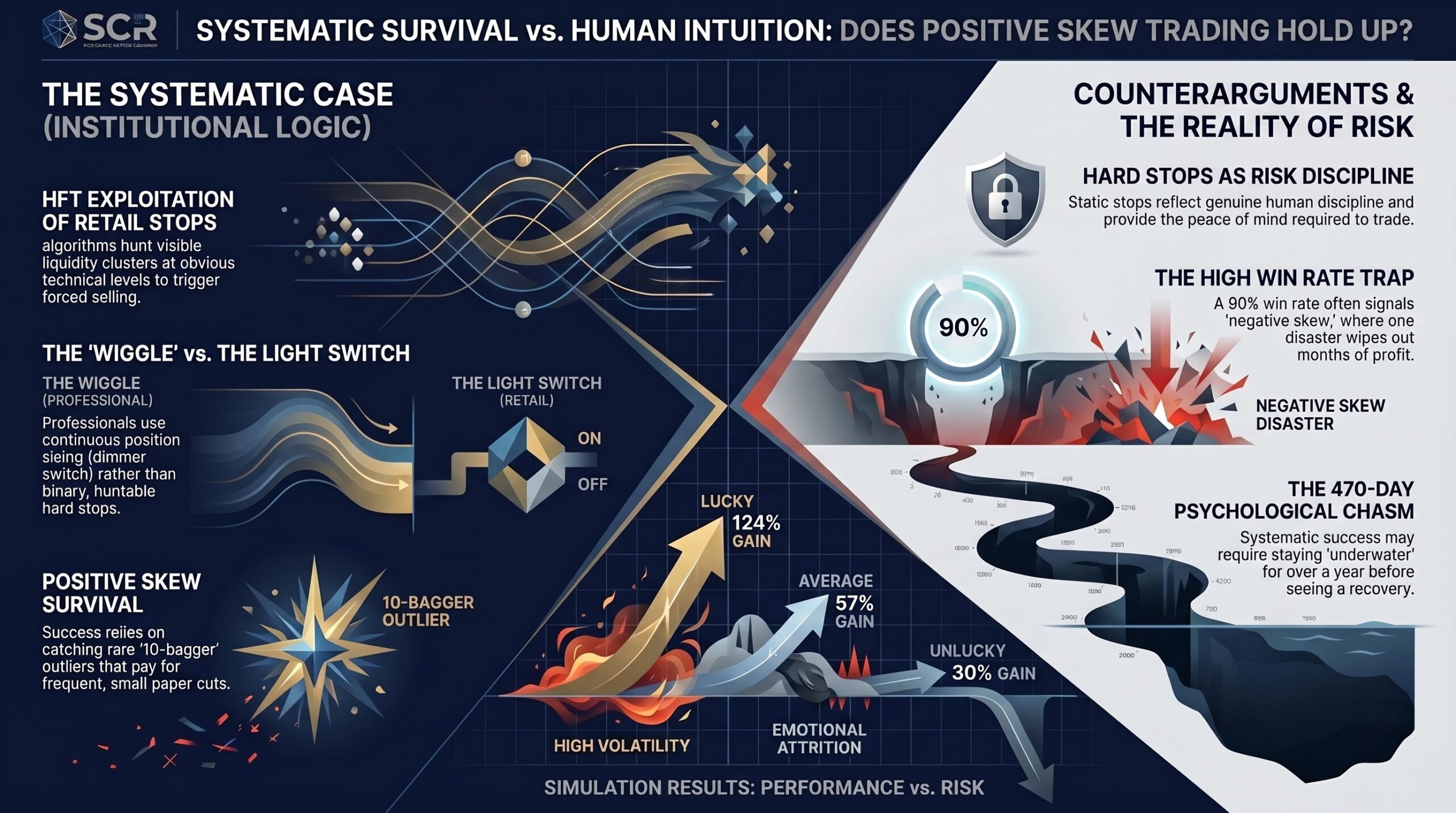
Positive Skew Trading Strategy: Why Winning Strategies Feel Wrong Podcast
The Counterargument for Human Intuition and Why the Math Overrules It This is the podcast debate transcript companion to the pillar article…
-
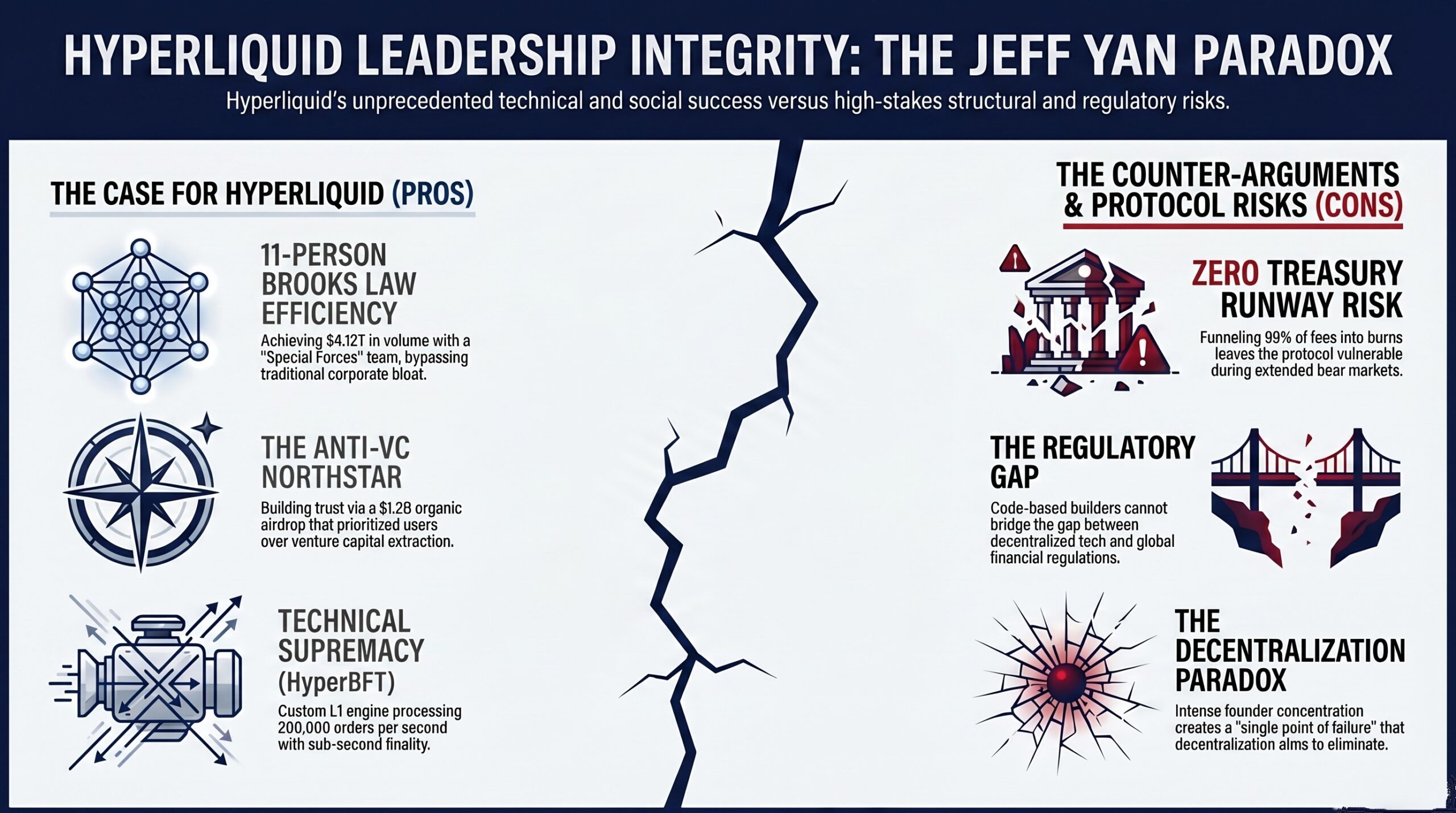
Hyperliquid Leadership Integrity: The Jeff Yan Debate Podcast
Is Jeff Yan’s Founder-Driven Model a Strength or an Unexamined Risk? This podcast debate transcript accompanies the pillar article on Jeff Yan…
-
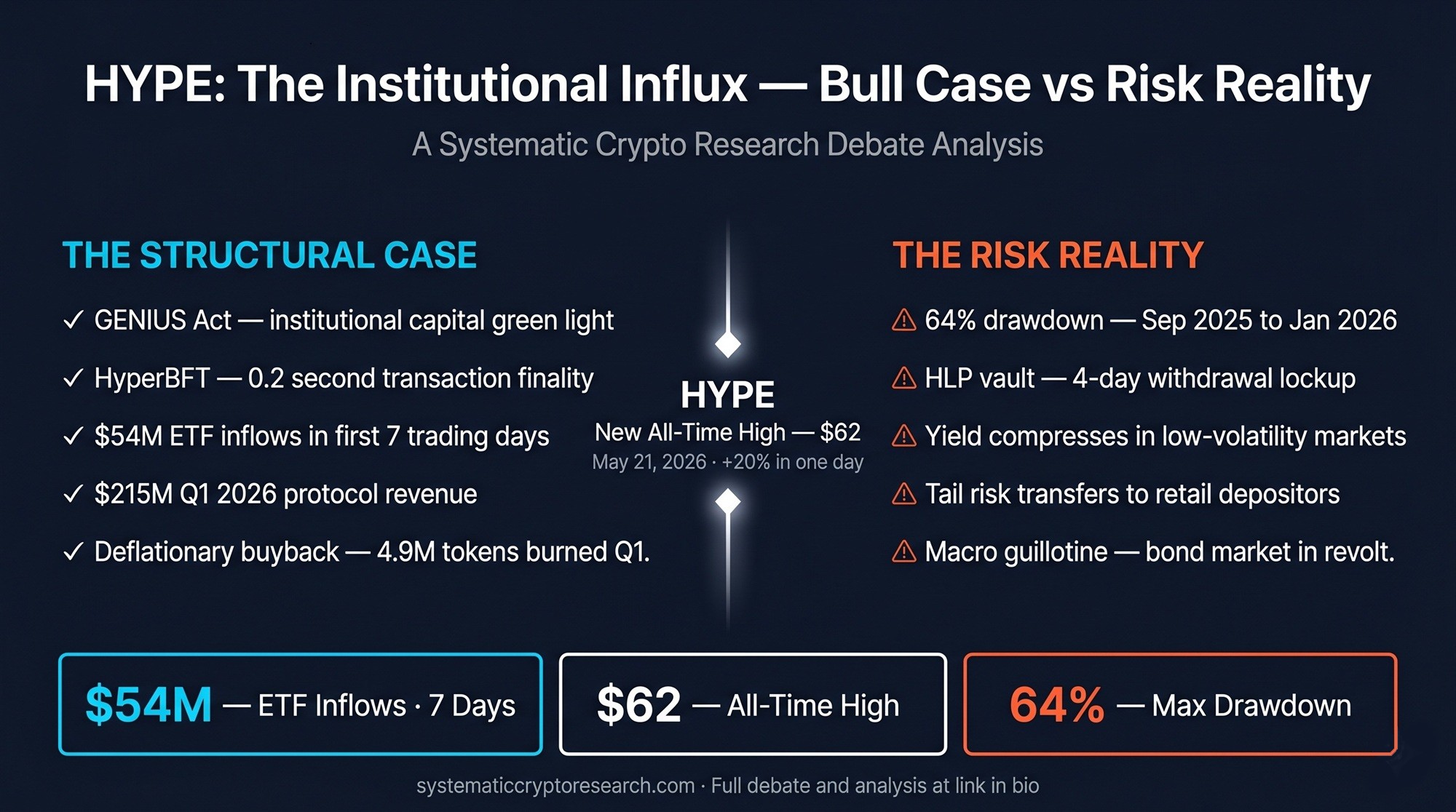
Hype and the Institutional Influx: The Debate Podcast
Is the Institutional Influx into HYPE a sign of the future – the Debate This podcast debate transcript accompanies the pillar article…
Deep Research
Technical Reports
The architecture, specifications, and empirical analysis behind the systems SCR covers. Technical reports go deeper than the pillar articles — written for readers who want the full data, not just the summary.
-
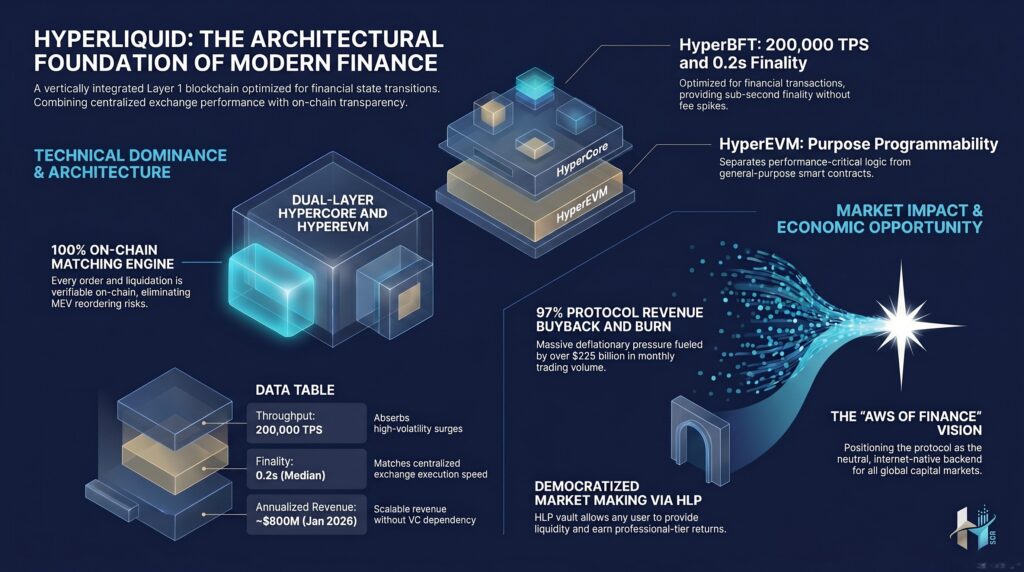
Technical Deep Dive: Hyperliquid (L1) Architecture and the RWA Pivot
DR-1: The Architectural Dominance of Hyperliquid Technical Innovation, Leadership Philosophy & Market Evolution Deep Research Series · Document DR-1 📅 Research Period: January 2026 📤 Published: April 2026 ✍️ Systematiccryptoresearch.com Methodology Note: This document was produced using a structured deep-research query in NotebookLM, synthesising 50+ primary and secondary sources — including official Hyperliquid documentation, exchange…
Ready to Trade on Hyperliquid?
Access Institutional-Grade Execution
Hyperliquid offers sub-second finality, on-chain order books, and VIP fee tiers that give systematic traders a structural edge retail platforms simply cannot match. Start with the infrastructure the HyperTrend vault is built on.
Get Started on Hyperliquid →Affiliate disclosure: SCR may earn a commission on qualifying sign-ups. This does not affect our editorial independence.